
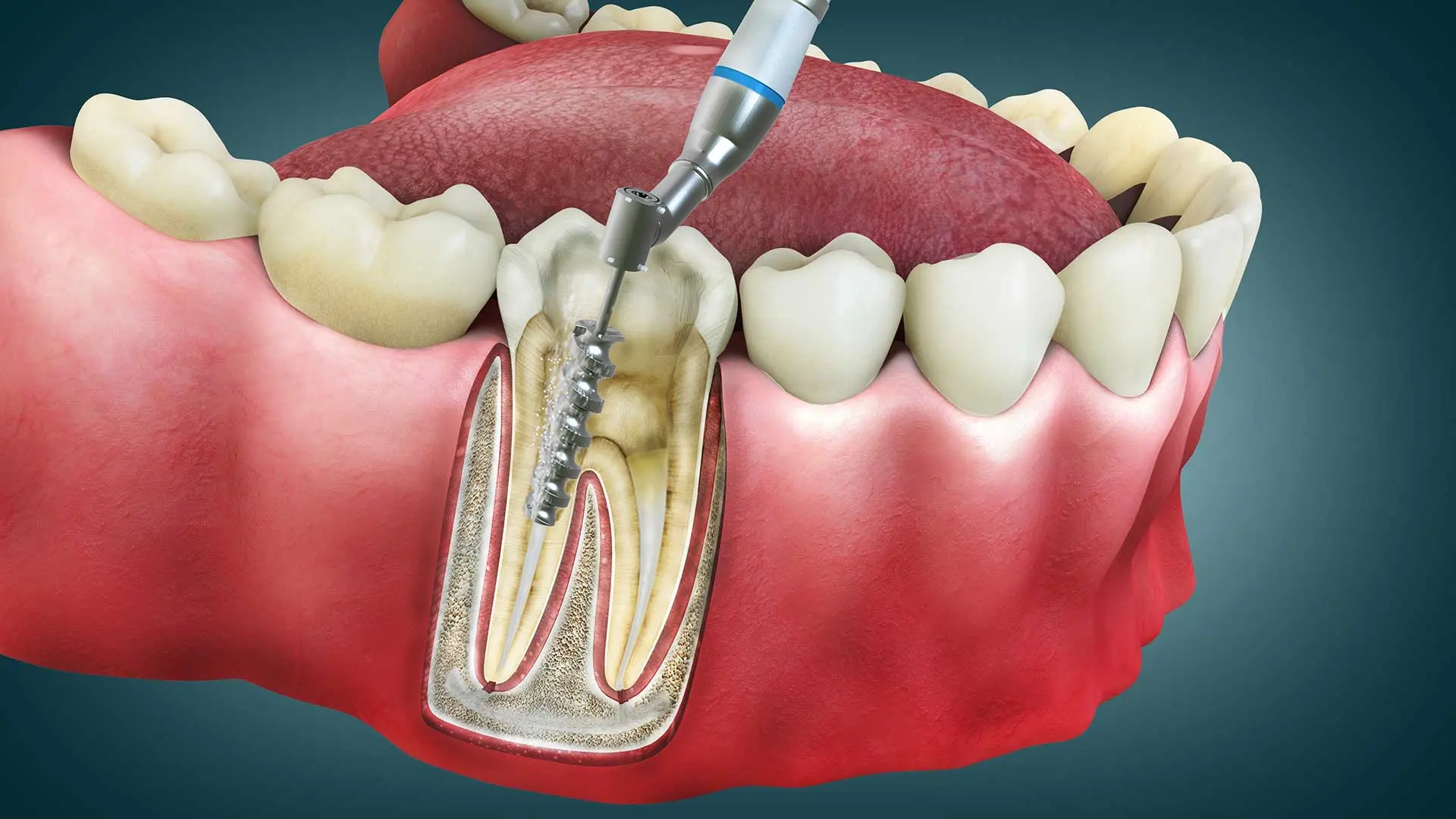
How to Recognize a Failed Root Canal Treatment?
How to Recognize a Failed Root Canal Treatment
Root canal therapy is meant to save a tooth by removing infected or damaged dental pulp, cleaning the canals, and sealing them. When it works well, the tooth should function pain‑free. But sometimes — for various reasons — a root canal can fail. Below are the common signs, why failure happens, and what to do if you suspect something’s wrong.
Common Signs a Root Canal May Have Failed
Here are red flags to watch for after a root‑canal procedure:
-
*Persistent or recurring pain: If pain continues for weeks or months after the treatment — or returns after some time — that’s a key warning sign. This can be a dull ache, sharp pain when biting, or pressure sensitivity.
-
*Sensitivity to hot and cold: A properly treated tooth often loses its nerve sensitivity. If the treated tooth becomes sensitive again to hot or cold foods/drinks — especially months later — it may mean the root canal was incomplete or re‑infection occurred.
-
*Swollen, tender or inflamed gums: Redness, swelling, or tenderness of the gums around the treated tooth — or a small bump/”pimple” on the gum (possible abscess) — may indicate persistent infection or inflammation.
-
*Abscess formation or pus / discharge: A recurring abscess, pus drainage, or foul taste/odour from around the tooth is a serious indication of ongoing infection despite root canal therapy.
-
*Tooth discoloration: Darkening or greyish change in the previously treated tooth can signal internal tissue breakdown, necrosis, or failed sealing — especially if the discoloration appears long after treatment.
-
*Tooth mobility (looseness): If the tooth that had root canal feels loose, this may mean supporting bone or tissue has been affected — possibly by infection or failure around the root area.
-
*Repeated infections or flare‑ups: If you have recurrent infections, swelling or pain coming back to the same tooth, that suggests the original root canal may not have eliminated all bacteria or sealed the canals properly.
-
*New or worsening pain when biting / chewing: Pressure or chewing discomfort long after treatment can be a sign that the canals were not properly cleaned or sealed, or that reinfection or a crack has developed.
-
*Radiographic / X-ray changes (as observed by dentist): On dental X‑rays, dark spots or bone loss around the root tip — or gaps in the filling material inside canals — can show that the treatment failed. (Of course, diagnosis relies on dentist exam/imaging.)
Why Root Canals Sometimes Fail
Even well‑performed root canals can fail for different reasons:
-
*Complex root / canal anatomy that was not fully cleaned or sealed. Some teeth have hidden or extra canals that may be missed.
-
*Incomplete removal of infected tissue or bacteria left behind in tiny canal branches, accessory canals, or hard‑to‑reach areas.
-
*New decay, cracks or fractures after treatment — these allow bacteria to re-enter and infect the root again.
-
*Poor restoration or seal (crown/filling) after the root canal — if the tooth isn’t properly restored or sealed, leakage may cause reinfection.
-
*Poor oral hygiene or additional trauma (grinding/clenching, excessive forces) that compromise the treated tooth’s integrity.
What to Do If You Suspect a Failed Root Canal
If you notice any of the symptoms above:
-
*Contact your dentist or endodontist promptly. Early detection usually improves the chances of saving the tooth.
-
*The dentist will likely perform an examination — including X‑rays or other imaging — to check for signs of persistent infection, leaks, bone loss, root fractures, or canal issues.
-
*Depending on findings, possible options include root canal retreatment (cleaning and re‑sealing canals), apical surgery (root‑end surgery) if necessary, or — in severe cases — tooth extraction followed by alternative restorative options.
-
*Maintain good oral hygiene to reduce risk of new infection; avoid habits that stress teeth (hard chewing, grinding/clenching).
Final Thoughts
A root canal is meant to relieve pain and save a tooth — but like any treatment, it’s not always permanently successful. If your tooth continues to show pain, sensitivity, gum changes, swelling, discoloration or recurrent infection long after treatment, don’t ignore it. Early evaluation and treatment can often correct the problem — and preserve your dental health and comfort.