
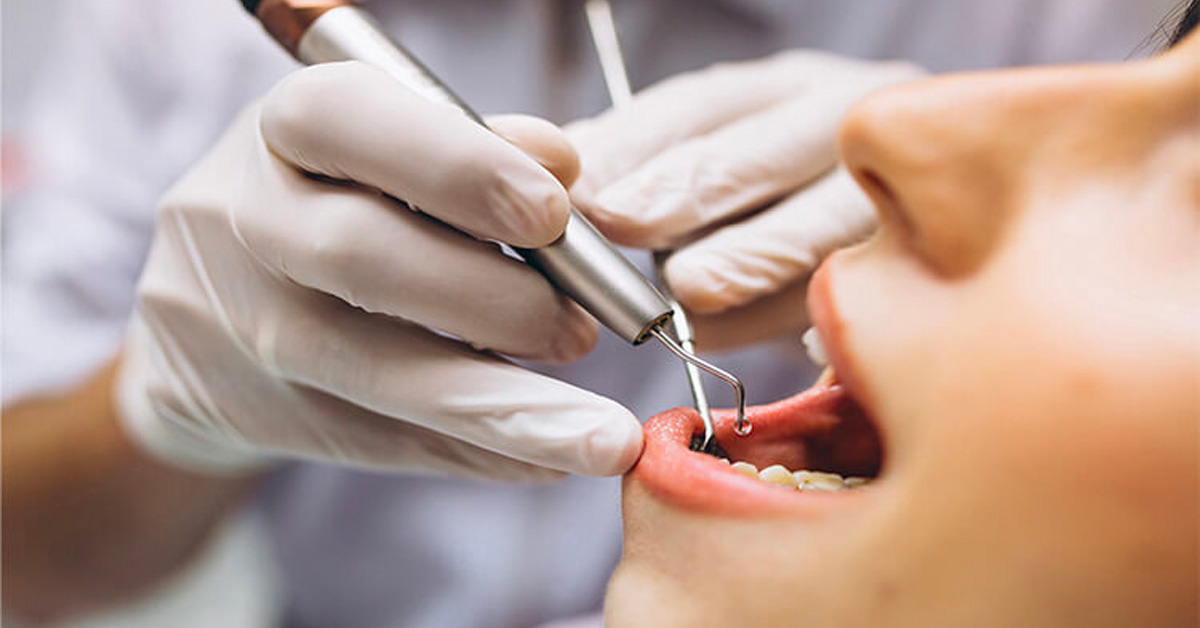
What to Do After Tooth Reduction: Essential After‑Care Tips
What to Do After Tooth Reduction: Essential After‑Care Tips
Undergoing tooth reduction — whether for a crown, veneer, or other dental restoration — is a common step toward restoring your smile. But what happens after the procedure matters a lot. Proper aftercare helps you heal smoothly, avoid complications, and get the most from your restoration. Here’s how to care for your teeth following tooth reduction:
Why After‑Care Matters
When a tooth is reduced (shaped, filed down, or prepared for a crown), part of its natural protective enamel is removed. This leaves the tooth and surrounding gum tissue temporarily more vulnerable. Without proper care, you could face issues such as:
-
*Increased sensitivity to hot/cold or pressure
-
*Irritation or inflammation of gums
-
*Risk of damage to the prepared tooth or crown margins
-
*Poor healing or problems with final restoration fit
By following after‑care steps carefully, you support gum healing, allow the tooth structure to stabilize, and prepare a healthy foundation for the final restoration.
What You Should Do After Tooth Reduction
Soft Diet & Gentle Chewing (First 24–48 hours)
-
*Eat soft, easy‑to‑chew foods (e.g. yogurt, mashed vegetables, soft pasta, soups) to minimize stress on the treated tooth.
-
*Avoid hard, crunchy, sticky or chewy foods — nuts, hard candies, ice, crusty bread, chewing gum — at least for the first couple of days.
-
*Avoid extremely hot or cold foods and drinks for a while, as temperature extremes can trigger sensitivity and discomfort.
Gentle Oral Hygiene
-
*Brush carefully — use a soft‑bristled toothbrush and gentle technique. Don’t press hard on the prepared tooth or gums.
-
*Delay flossing around the treated tooth area until the restoration or gums settle (unless advised otherwise). Later, floss gently to keep surrounding teeth and gums clean.
-
*Rinse with lukewarm salt water (½ teaspoon salt in a cup of warm water) a few times a day, especially after meals — this helps soothe tissues and reduce bacteria buildup.
Avoid Irritants & Risk Factors
-
*Refrain from smoking, alcohol, and using straws during eating in the first days, since these can interfere with healing.
-
*Avoid intense physical activity or heavy exertion for 24–48 hours — increased heart rate and blood pressure can cause swelling or bleeding.
Manage Discomfort and Sensitivity
-
*It’s normal to experience mild sensitivity or discomfort soon after the procedure. Over‑the‑counter pain relief (if recommended) can help — but avoid aspirin (if advised not to by your dentist).
-
*As sensitivity improves, gradually reintroduce normal foods — but take it easy.
Follow‑Up & Complete Restoration Timing
-
*Tooth reduction is generally a preparatory step for final restoration (crown, veneer, etc.). Make sure you attend your follow‑up appointments — delays can expose the prepared tooth to risk.
-
*Until the permanent restoration is placed, treat the area with care — avoid heavy biting or stress on the tooth.
Long-Term Oral Hygiene & Protection
-
*Once restored, keep up with regular oral hygiene: brushing at least twice a day, flossing daily, and rinsing after meals to prevent plaque buildup around the margins.
-
*Avoid habits that may damage restorations: chewing very hard foods (e.g. ice, nuts), biting on pens, nails — such habits can shorten the lifespan of a crown or veneer.
Watch for Warning Signs — Contact Your Dentist if You Notice:
-
*Persistent or worsening pain or sensitivity (after a week or more)
-
*Swelling, bleeding, redness, or signs of gum irritation near the treated tooth
-
*A feeling that the tooth/restoration is loose or unstable
-
*Discomfort when biting or chewing
Early detection of problems — like incorrect bite, loosened restoration, or gum inflammation — allows prompt correction and better long‑term outcomes.
Final Thoughts
Tooth reduction is only the first step toward a restored smile. What you do after — gently caring for your teeth and gums, giving them time to heal, and avoiding stressors — has a significant impact on comfort, healing and the success of your final restoration.
By treating your mouth with care during the critical first days (soft foods, gentle hygiene, no irritants) and following your dentist’s instructions, you set the stage for long-lasting dental health and a strong, beautiful smile.