Natural Tooth Color: Which Shade Is Right for You?
Natural Tooth Color: Which Shade Is Right for You?
In cosmetic dentistry, one of the most important factors is achieving a natural-looking result that harmonizes with a person’s face. Whether you're getting veneers, crowns, or whitening, the question “Which shade suits me best?” is extremely common.
So how do you choose the perfect natural tooth shade for a beautiful, balanced smile?
Why Is Natural Tooth Color Important?
The ideal tooth shade should complement your:
-
*Skin tone
-
*Lip color
-
*Eye color
-
*Face shape
-
*Age
-
*Personal style
An overly bright shade may look artificial on some people, while softer tones may appear more natural and elegant on others.
Shade Guides Used in Dentistry
Dentists typically use the VITA Shade Guide, the most widely accepted system for selecting tooth color.
It includes four major color groups:
-
*A Shades: Reddish-brown
-
*B Shades: Reddish-yellow
-
*C Shades: Gray tones
-
*D Shades: Reddish-gray
For cosmetic treatments, popular natural shades often include A1, A2, B1, and certain bright-but-natural bleach shades.
Key Factors When Choosing the Right Shade
1. Skin Tone
Fair skin tones usually suit brighter whites.
Medium or darker skin tones often look better with warmer, softer whites that provide contrast without appearing artificial.
2. Lip and Eye Color
Cool-toned eyes & pink lips → pair well with brighter shades
Warm-toned lips → look more natural with warm white shades
3. Age
Brighter shades give a youthful appearance.
Slightly softer shades appear more realistic as we age.
4. Tooth Shape and Size
Very bright shades can stand out too much on larger or wider teeth.
Smaller teeth often suit brighter whiteness.
Popular Natural-Looking White Shades
-
*B1: One of the most natural, bright whites
-
*BL2: Close to Hollywood white but still natural
-
*A1: A warm, natural light shade
-
*BL3: Soft white — balanced and natural
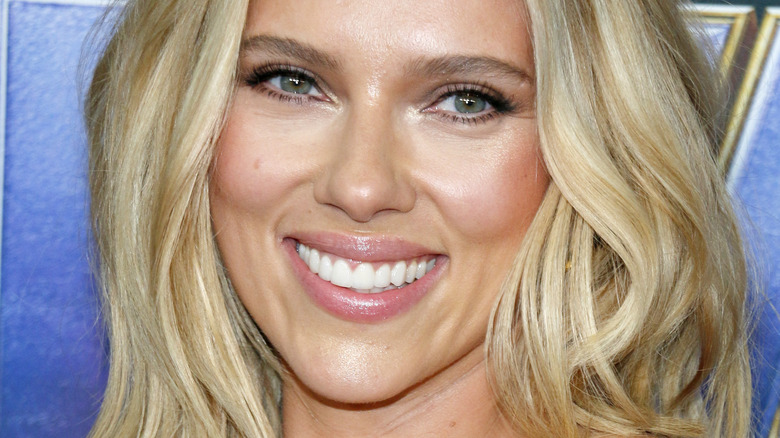
Hollywood smiles often use BL2 or BL3 for a bright yet harmonious look.
So Which Shade Is “Right”?
There isn’t one universal answer.
The right shade is the one that best complements your facial features, personality, and expectations.
Some patients desire a subtle, natural look, while others prefer a brighter Hollywood-style smile.
A professional smile design consultation allows your dentist to determine the ideal shade for you.
Conclusion
Achieving a natural-looking smile starts with selecting the correct tooth shade. With expert analysis and modern cosmetic dentistry, your smile can be tailored to look both beautiful and authentic.
Take your time when choosing, and rely on your dentist’s professional guidance to achieve the most natural and aesthetic result.