
What Is a Dental Bridge? Types, Benefits, and Procedure
What Is a Dental Bridge: Types, Benefits, and Procedure
A dental bridge is one of the most common solutions for replacing missing teeth. It literally “bridges” the gap left by one or more missing teeth, restoring both function and aesthetics.
But what exactly is a dental bridge, what types are available, and what benefits does it offer? Let’s explore everything you need to know.
What Is a Dental Bridge?
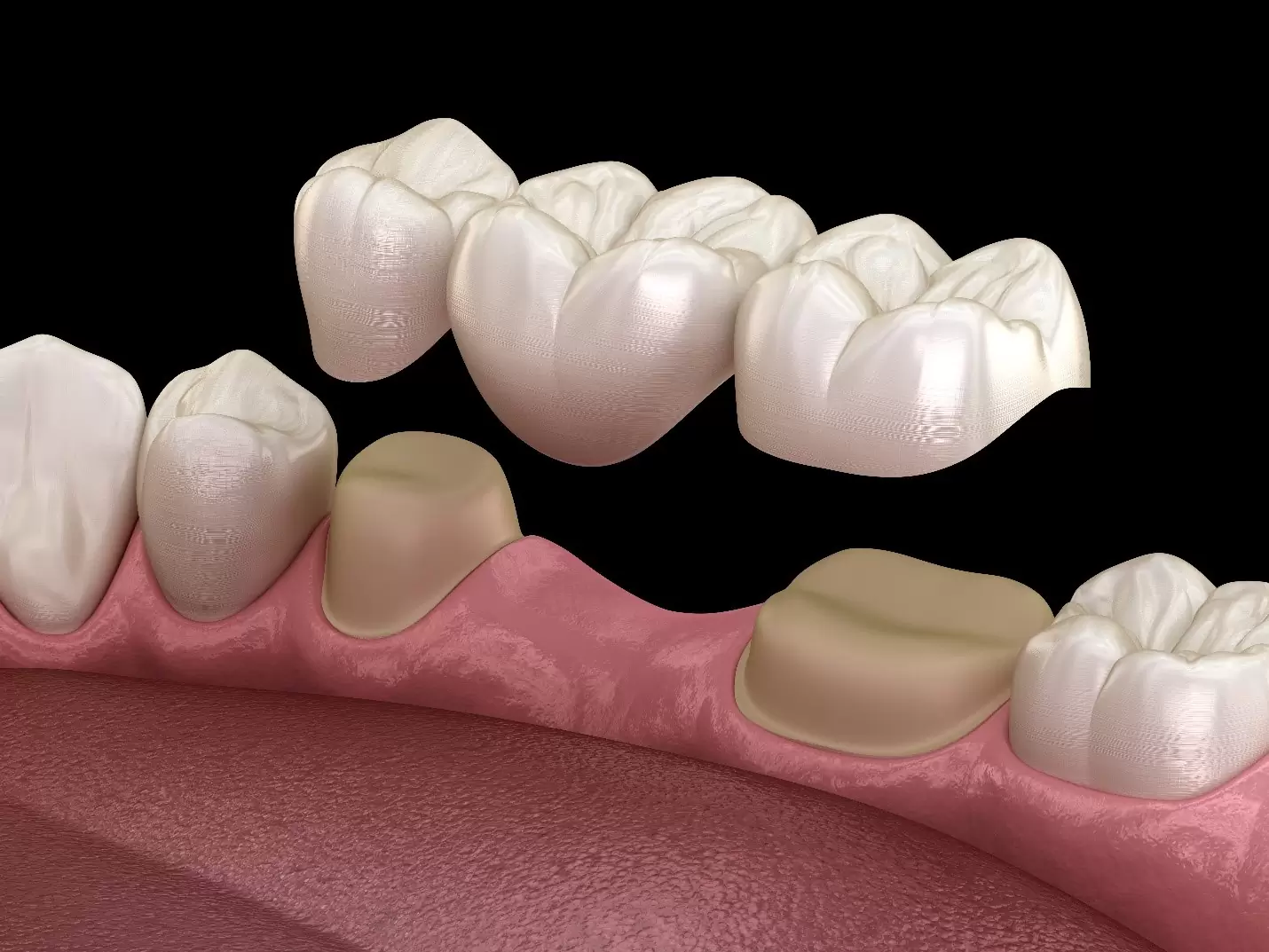
A dental bridge is a fixed dental restoration that connects one or more artificial teeth (pontics) to the adjacent natural teeth or dental implants.
It helps:
-
Restore your smile
-
Improve chewing and speech
-
Prevent remaining teeth from shifting
Bridges are permanent and do not require removal, unlike removable dentures.
Types of Dental Bridges
There are several types of dental bridges:
1. Traditional Bridge
-
Most common type
-
Involves creating a crown for the teeth on either side of the missing tooth with a false tooth in between
-
Usually made of porcelain fused to metal or ceramic
2. Cantilever Bridge
-
Used when there are adjacent teeth on only one side of the gap
-
Less common, suitable for front teeth
3. Maryland (Resin-Bonded) Bridge
-
Made of porcelain or metal frameworks bonded to adjacent teeth
-
Less invasive; requires minimal preparation of neighboring teeth
4. Implant-Supported Bridge
-
Used when multiple teeth are missing
-
Supported by dental implants rather than natural teeth
-
Very stable and long-lasting
Benefits of a Dental Bridge
Dental bridges offer multiple advantages:
-
Restore your natural smile and appearance
-
Improve your ability to chew and speak clearly
-
Maintain the shape of your face
-
Prevent remaining teeth from shifting out of place
-
Provide long-term, durable solution
The Procedure
Getting a dental bridge typically involves 2–3 visits:
-
Consultation & Assessment
-
*Dentist examines the gap, surrounding teeth, and oral health
-
*X-rays or 3D scans may be taken
-
-
Tooth Preparation
-
*Adjacent teeth are shaped to support the bridge
-
*Impressions are taken to create a custom bridge
-
-
Temporary Bridge Placement
-
*A temporary bridge protects prepared teeth while the permanent bridge is being made
-
-
Final Bridge Placement
-
*Permanent bridge is cemented in place
-
*Dentist checks bite and fit
-
Care and Maintenance
To ensure the longevity of your dental bridge:
-
*Brush twice a day and floss daily
-
*Use a special floss threader to clean under the bridge
-
*Visit your dentist regularly for check-ups
-
*Avoid very hard foods that could damage the bridge
With proper care, a dental bridge can last 10–15 years or longer.
Conclusion
A dental bridge is a safe, effective, and aesthetically pleasing solution for replacing missing teeth.
It restores functionality, prevents teeth misalignment, and gives you a confident smile.
If you are missing one or more teeth, consult your dentist to determine which type of bridge is best for your needs.