
Is Bone Grafting for Dental Implants Really Safe? Expert Insights and Full Details
How Safe Is Bone Grafting for Dental Implants? Expert Insights and Full Details
For some patients who want dental implants, the jawbone may not be strong or thick enough to support them. Bone loss can occur due to long-term tooth absence, gum disease, or natural bone resorption.
This is where bone grafting becomes an essential solution.
But an important question follows:
Is bone grafting really safe?
What are the risks, benefits and success rates?
This guide explains everything you need to know.
What Is Bone Grafting?
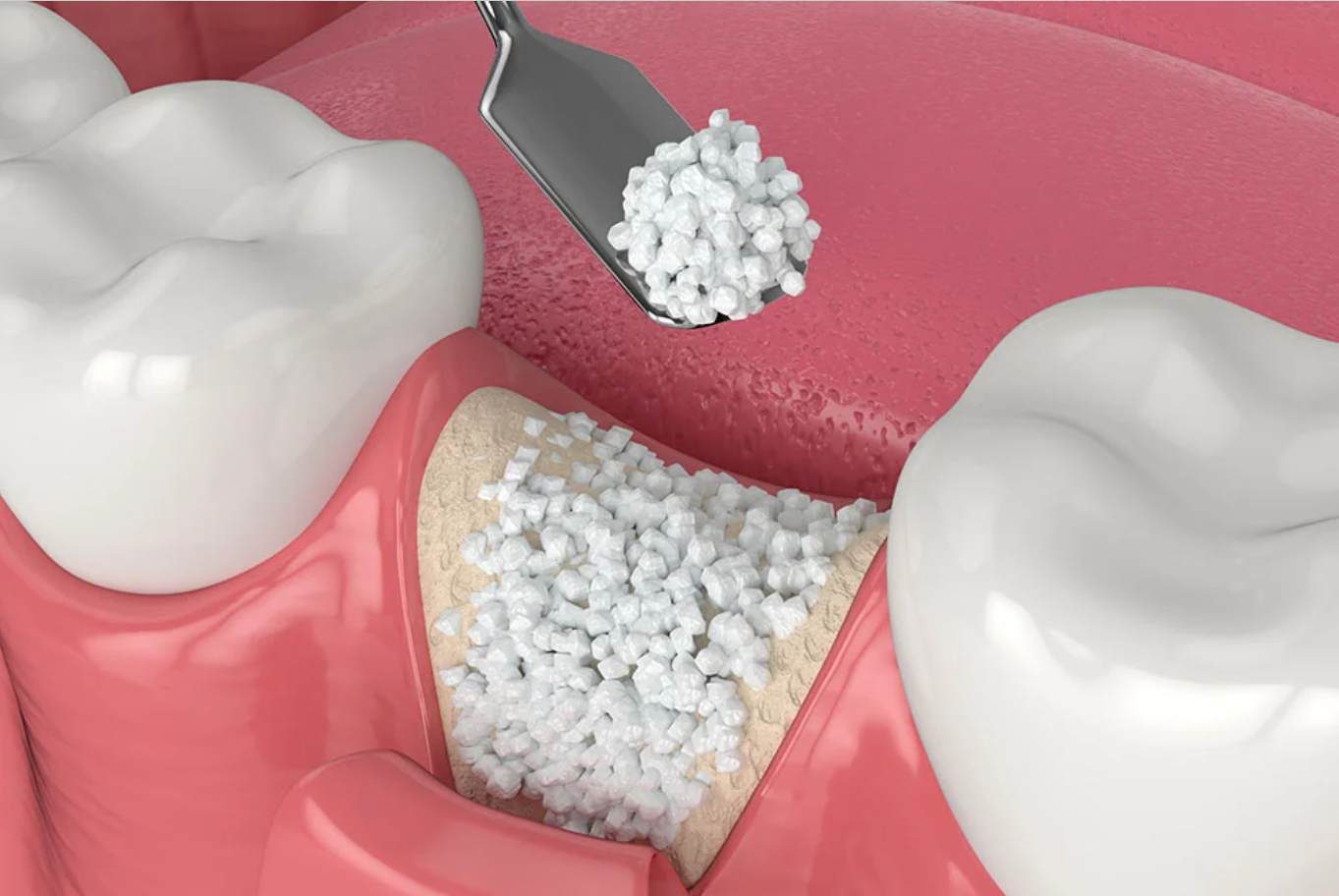
Bone grafting is a procedure used to rebuild or strengthen the jawbone when it is not sufficient for dental implant placement.
The goal is to create a stable, healthy foundation so the implant can integrate securely.
Common graft materials include:
-
*Your own bone (autogenous graft)
-
*Biocompatible synthetic grafts
-
*Donor or animal-derived graft materials
All are designed to safely support new bone formation.
Is Bone Grafting Safe?
Yes — when performed by a trained oral surgeon or implant specialist, bone grafting is considered very safe and highly successful.
Modern techniques and materials have made the procedure more predictable than ever.
Biocompatible graft materials reduce the risk of rejection, and strict sterilization standards minimize complications.
Factors that increase safety:
-
*Experienced surgeon
-
*Proper planning and digital imaging
-
*High-quality graft materials
-
*Clean, controlled surgical environments
-
*Patient-specific assessment and follow-up
For most patients, the procedure is routine and well tolerated.
Who Needs Bone Grafting?
Bone grafting may be necessary in cases such as:
-
*Long-term tooth loss
-
*Bone shrinkage after tooth extraction
-
*Gum disease (periodontal bone loss)
-
*Trauma or jaw injury
-
*Naturally thin jawbone
-
*Sinus expansion in the upper jaw (requiring a sinus lift)
Without bone support, an implant may fail — which is why grafting is often the key to long-term success.
How Is the Procedure Done?
Bone grafting usually includes these steps:
-
Local anesthesia is applied.
-
The site is prepared for the graft.
-
The graft material is placed and secured.
-
The area is closed with sutures.
Most patients describe the procedure as comfortable and painless, similar to a routine extraction.
Healing Time
It takes approximately 3–6 months for the graft to fully integrate with your natural bone.
During this time, your body gradually replaces the graft material with strong, healthy bone.
Once integration is complete, the dental implant can be placed securely.
Are There Any Risks?
As with any surgical procedure, minimal risks exist — but they are uncommon with proper care.
Possible risks:
-
*Mild swelling
-
*Temporary discomfort
-
*Very rare infection
-
*Partial graft failure (uncommon)
With correct aftercare and antibiotics when needed, most patients have a smooth recovery.
Can You Get Implants Without Bone Grafting?
In some cases, yes.
However, placing an implant where the bone is insufficient may lead to:
-
*early implant failure
-
*mobility
-
*gum recession
-
*poor aesthetic results
Bone grafting significantly increases long-term implant stability and aesthetics.
Conclusion: Bone Grafting Is a Safe and Effective Solution
Bone grafting is a reliable and scientifically proven procedure that:
-
*strengthens the jawbone
-
*increases implant success rates
-
*improves long-term results
-
*offers predictable healing
-
*is safe when performed by a qualified expert
If you've been told your bone is insufficient, there’s no need to worry — bone grafting is now a routine, modern, and secure part of implant dentistry.