Types of Dental Implants & What’s Best for You
Types of Dental Implants & What’s Best for You
When you’re considering dental implants, it’s important to know that there is no “one‑size‑fits‑all” solution. Different implant types exist depending on your bone quality, how many teeth you need replaced, and your oral health. Here’s a clear overview of the main implant types and guidance on which might be the best fit for you.
Main Types of Dental Implants
Endosteal Implants (Bone‑Level / Screw‑Type Implants)
-
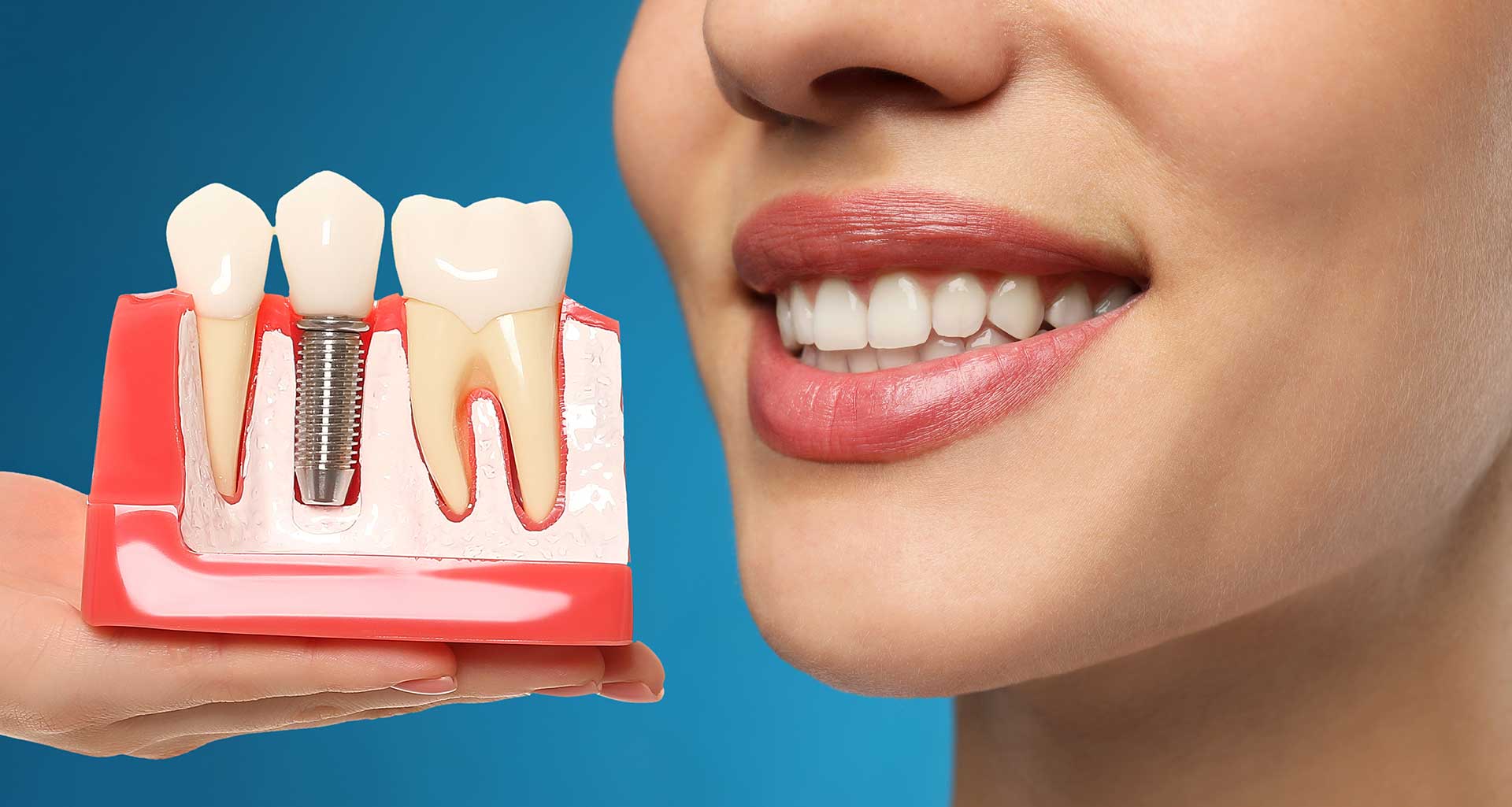
*These are the most common dental implants. A titanium (or other biocompatible) screw‑shaped implant is surgically placed directly into the jawbone. Once the bone heals around it, the implant behaves like an artificial tooth root and can support a crown, bridge, or denture.
-
*Best for: Patients with healthy, sufficient jawbone who need one or more teeth replaced — from a single tooth to multiple-teeth restoration.
-
*Advantages: Stable, durable, and with excellent long‑term success rates.
Subperiosteal Implants (On‑Bone / Under‑Gum Frame Implants)
-
*Instead of being placed inside the bone, these implants rest on top of the jawbone but under the gum tissue. A custom metal frame supports posts that emerge through the gums and hold the artificial teeth.
-
*Best for: Patients whose jawbone height or thickness is insufficient for traditional implants — and who may not want (or be eligible for) bone graft surgery.
-
*Advantages: Provides an implant option without needing bone grafting; useful in cases of bone loss or bone insufficiency.
-
*Trade‑offs: Less commonly used now, and long‑term stability may be lower than for bone‑level implants.
Zygomatic Implants (Cheekbone-Anchored Implants)
-
*Used in more complex cases, especially when the upper jawbone has severe bone loss. Rather than anchoring into the jawbone, these implants are anchored into the cheekbone (zygoma), which is stronger and denser.
-
*Best for: Patients with significant upper jaw bone loss, for whom traditional implants are not feasible, and who wish to avoid extensive bone grafts or sinus‑lift procedures.
-
*Advantages: Provides a stable base even in severely resorbed bone situations; allows fixed prosthetics when standard implants are not possible.
-
*Considerations: More complex surgery, and not everyone qualifies — requires careful planning by an experienced implantologist.
Mini / Narrow‑Diameter Implants
-
*These implants are thinner and less invasive. They’re often used when bone volume is limited or to stabilize removable dentures.
-
*Best for: Patients with narrow or low‑density jawbone, or those needing denture stabilization instead of full fixed restorations.
-
*Advantages: Less invasive, shorter healing time, often more affordable.
-
*Limitations: They may be less robust under heavy biting forces or for long-term fixed restorations compared to standard implants.
Full-Arch / All‑on‑4 (or All‑on-X) Implant Solutions
-
*Instead of replacing each missing tooth individually, this approach uses a small number of strategically placed implants (often 4 per arch) to support a full set of prosthetic teeth — for the upper or lower jaw (or both).
-
*Best for: Patients missing many or all teeth, seeking a fixed (non‑removable) full‑arch solution rather than dentures.
-
*Advantages: Reliable full-mouth restoration, fewer implants required, often avoids bone grafting, and restores function and aesthetics efficiently.
How to Choose: Which Implant Is Right for You?
Selecting the best implant type depends on several factors:
-
*Jawbone condition: If bone density and volume are sufficient — standard bone-level (endosteal) implants are preferred. If bone is inadequate — consider subperiosteal, mini, or zygomatic options.
-
*Number of missing teeth: Single missing tooth → endosteal implant; Multiple missing teeth / full‑mouth → All‑on‑4, full‑arch solutions, or hybrid approaches.
-
*Bone loss severity: Severe bone loss — especially in the upper jaw — may rule out standard implants; zygomatic or alternative implants may be more appropriate.
-
*Desire to avoid bone grafting or extensive surgery: Mini implants, subperiosteal implants, or All‑on‑4 solutions may offer less invasive routes.
-
*Budget, recovery time, invasiveness, and long-term goals: Evaluate how much you’re willing to invest, how long healing might take, and whether you prefer permanent, fixed restorations or removable solutions.
Conclusion — It's About the Right Fit, Not a Single “Best”
There is no single “best implant type” for everyone. The ideal implant depends on your bone health, the number of missing teeth, your oral health history, and your personal needs and preferences.
-
*If your bone structure is healthy — go for endosteal implants.
-
*If bone is insufficient and grafting isn’t an option, but you still need replacement — subperiosteal or mini implants may be viable.
-
*If there’s severe bone loss (especially upper jaw) — zygomatic implants or full‑arch solutions might be the best route.
-
*If you need a full arch restoration — All‑on‑4 or All‑on‑X systems often provide a stable, efficient solution.
When you and your implant surgeon evaluate all these factors together — bone condition, oral health, lifestyle and expectations — you’ll arrive at the option that’s truly “best for you.”