
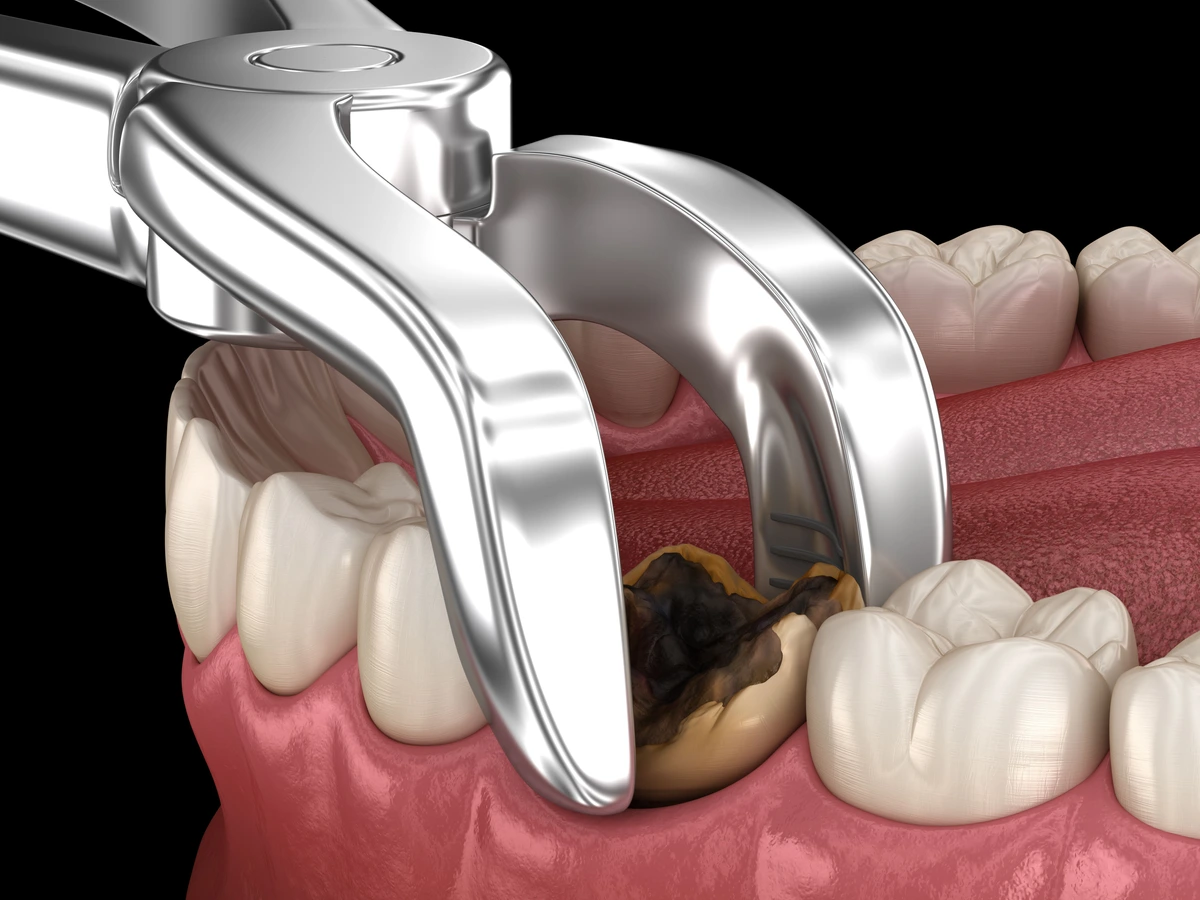
Why Problem Teeth Must Be Extracted
Why Problem Teeth Must Be Extracted
Having a damaged, infected, or problematic tooth isn’t just a minor issue — it can compromise your oral health, cause pain, and even endanger surrounding teeth or jawbone. In these cases, extraction — removing the tooth — becomes the most responsible and safe option. Below, you’ll find the main reasons extraction is necessary, the risks of delaying it, and why acting promptly often leads to better long‑term outcomes.
When Tooth Extraction Is Typically Necessary
Some common situations make tooth extraction the best (or only) viable treatment:
-
*Severe decay or irreparable damage: When a tooth is so badly decayed, cracked, or broken that fillings, crowns or root‑canals cannot restore it.
-
*Deep infection or abscess that can’t be resolved: If bacteria invade the tooth pulp/root or surrounding bone, causing persistent infection or abscess, and cannot be controlled, extraction may be needed to stop the spread and protect health.
-
*Advanced gum disease with bone loss: When periodontal (gum) disease has destroyed the support structures (gum tissue, jawbone), leaving the tooth loose and at risk — extraction can prevent further damage.
-
*Impacted or misaligned teeth (e.g. wisdom teeth): Teeth that remain unerupted, grow incorrectly or press against adjacent teeth can cause pain, infection or damage — often best solved by removal.
-
*Failed or repeatedly problematic previous treatments: If a tooth with a root canal, crown, or filling continues to cause pain or infection, extraction may offer the most reliable solution and relieve ongoing problems.
-
*Orthodontic / alignment needs requiring space: In some orthodontic cases, extracting one or more teeth may be necessary to create space and achieve proper alignment.
In all of these conditions, keeping the problematic tooth tends to cause more harm than benefit.
Why Leaving a Problem Tooth Untreated Is Risky
Avoiding extraction when it’s needed can lead to serious complications:
-
*Chronic pain or recurrent discomfort — untreated decay or infection often leads to persistent or worsening pain, impacting quality of life.
-
*Spread of infection — an infected tooth can cause abscesses, damage surrounding bone and tissue, and potentially lead to systemic issues if bacteria spread.
-
*Damage to neighboring teeth and oral structures — infection or misalignment can affect adjacent teeth, gums, and bone support, complicating future dental work.
-
*Jawbone deterioration and bone loss — prolonged untreated infection or periodontal disease can erode bone that supports teeth, making future restorations (like implants) difficult.
-
*More complex, costly and risky future treatments — delaying necessary extraction may eventually require bone grafts, multiple surgeries, or extensive dental work.
In short: what starts as “just one bad tooth” can quickly become a wide‑ranging oral health issue.
Extraction Is Often the Most Responsible Option — Not a Failure
Modern dentistry does its best to save natural teeth when possible (fillings, root canal therapy, crowns, etc.). But when the damage is too severe, or when saving the tooth poses risks to your overall oral health — extraction becomes the healthiest and most preventive decision.
By removing a problematic tooth, you:
-
*Eliminate the source of pain and infection
-
*Protect surrounding teeth, gums, and bone structure
-
*Prevent worsening oral disease
-
*Lay the foundation for safer restorative options (e.g. implants, bridges, prosthetics) if needed
Extraction done in a timely, professional manner — followed by proper aftercare — can ensure a healthier, more stable oral environment going forward.
Final Thoughts
Problem teeth — whether decayed, infected, damaged, impacted or unstable due to gum disease — shouldn’t be ignored. While it might feel daunting to lose a tooth, extraction can often be the best path to long‑term oral health.
If you’re experiencing repetitive pain, infection, swelling, looseness, or other indications of serious dental problems, consult a qualified dentist promptly. Early intervention helps avoid serious complications and gives you the best chance for a healthy, pain‑free smile.
Remember: taking care of your oral health today can save you stress, discomfort, and costs tomorrow.