
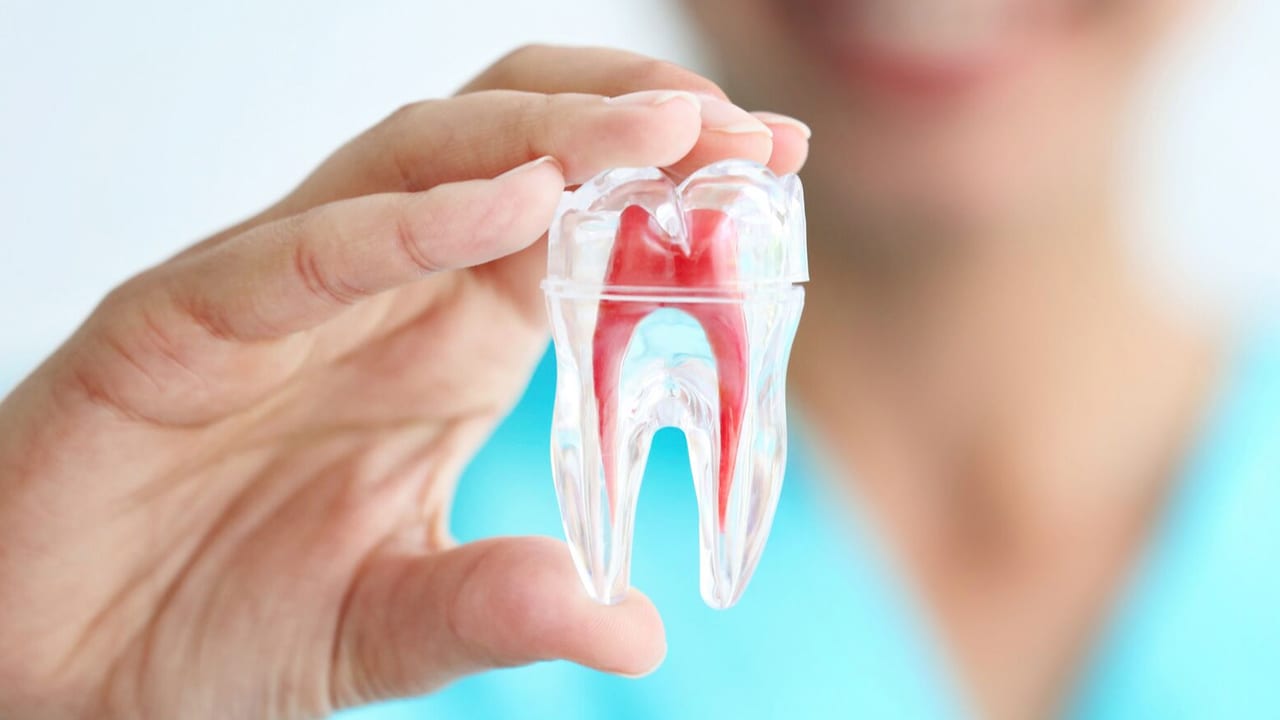
Root Canal vs. Tooth Extraction: Which Option Is Right for You?
Root Canal vs. Tooth Extraction: Which Option Is Right for You?
When a tooth is severely damaged, decayed, or infected, you often face two main treatment options: saving the tooth with a root canal treatment (endodontic treatment + crown/restoration), or removing the tooth entirely via tooth extraction. Both choices have advantages and trade‑offs. Which one is “right” depends a lot on your specific situation. Here’s a clear breakdown to help you decide.
What Are These Procedures?
Root Canal Treatment:
-
*The dentist removes the damaged or infected pulp inside the tooth, cleans and disinfects the canal system, then fills/seals the root canals. After that, the tooth is restored — often with a crown — to give strength and function back.
-
*The goal is to save your natural tooth, preserving chewing ability and appearance, while eliminating pain or infection.
Tooth Extraction:
-
*The entire tooth — root and crown — is removed from its socket.
-
*This option becomes necessary when the tooth is too damaged, fractured, decayed, or when infection/structure loss makes saving it impractical or risky. Once extracted, you may replace the missing tooth with an implant, bridge, or denture — or leave the space empty (though that has consequences).
Pros and Cons: Root Canal vs Extraction
???? Why Root Canal Often Is Favoured
Pros:
-
*Keeps your natural tooth — helps maintain proper bite, chewing, and natural appearance.
-
*Prevents bone loss around the tooth root — because the root stays, the jawbone continues to receive stimulation.
-
*Often less traumatic overall compared to extraction + replacement.
-
*Once restored properly, a root‑canaled tooth can function like a natural tooth, avoiding gaps or misalignment.
Cons / Trade‑offs:
-
*Requires a proper restoration (e.g. crown) after treatment — without good restoration, the tooth might weaken or fail later.
-
*Sometimes needs multiple dental visits, possibly higher initial cost than simple extraction.
-
*If infection persists, canals are complex, or restoration fails, there is a risk of treatment failure — meaning retreatment or extraction may be needed later.
When Extraction Makes More Sense
Pros:
-
*Removes the problematic tooth completely — if damage or infection is severe, this is a definitive solution.
-
*Lower initial cost and fewer dental visits (in many cases).
-
*No risk of reinfection in a tooth that’s gone.
-
*Useful when the tooth is badly fractured, has poor bone support, or when restoration isn’t feasible.
Cons / Trade‑offs:
-
*Loss of a natural tooth — may affect chewing, biting, appearance, and long‑term jaw/bone health.
-
*To restore function and aesthetics, you’ll likely need a replacement (implant, bridge, denture), which adds time, cost and maintenance.
-
*Over time, bone around the extracted site can shrink, and neighboring teeth may shift — potentially causing bite or alignment issues.
Factors to Consider When Choosing
When deciding between root canal and extraction, ask yourself / discuss with your dentist:
-
*How much healthy tooth structure remains? If tooth is too broken or weak, a root canal may not be viable.
-
*Is there sufficient bone and gum support? Severe bone loss or gum disease may favour extraction.
-
*Can the tooth be restored properly after treatment? A good crown or restoration is critical for root‑canaled teeth.
-
*What’s the long‑term plan for your oral health? Saving the natural tooth often gives better long‑term stability.
-
*Your budget and resources — root canal + restoration may cost more upfront but avoid future replacement costs; extraction may be simpler initially but may need costly prosthetics later.
-
*Your comfort with treatment duration, maintenance, and follow‑ups. Root canal often demands more follow‑up care; extraction demands decisions about replacements.
How Dentists Decide — and What You Should Ask
A good dentist will evaluate: tooth condition (decay, fracture, structural integrity), bone support, gum health, infection status, your bite and oral hygiene habits. Based on these, they will recommend what’s most appropriate. It’s okay to ask:
-
“Do you think the tooth can be reliably restored after root canal?”
-
“If we extract — what replacement options do I have, and what are pros/cons?”
-
“What are the long‑term risks/benefits of saving vs. removing this tooth?”
-
“What is the estimated total cost and number of visits for each option?”
Your own preferences — preserving natural teeth, avoiding multiple surgeries, minimizing long‑term costs or maximizing convenience — also matter a lot.
Final Thoughts
There’s no universal “best” answer — root canal treatment is often preferable because it preserves your natural tooth, function, and jaw health, but tooth extraction may be the wiser, safer, or only realistic option when the tooth is too damaged. The “right” choice depends on tooth condition, overall oral health, and what you value most: saving a tooth or eliminating risk.
The best approach is open discussion with your dentist: weigh the pros and cons based on your specific case, and choose the treatment that gives you long‑term oral health, comfort, and peace of mind.